
Day 11, October 5, 2026 A Day of Monuments and Moving Memories
The building at the hypocenter (ground zero) of the atomic blast, the atomic bomb cloud, the Axis of Peace
Today is our last full day in Japan and we decided to go visit Hiroshima and the Peace Memorial. We started very early with an 8:00am pickup for a trip to the train station for a 10:00 train ride to Hiroshima. We slept on the train for the entire 1.5-hour trip.
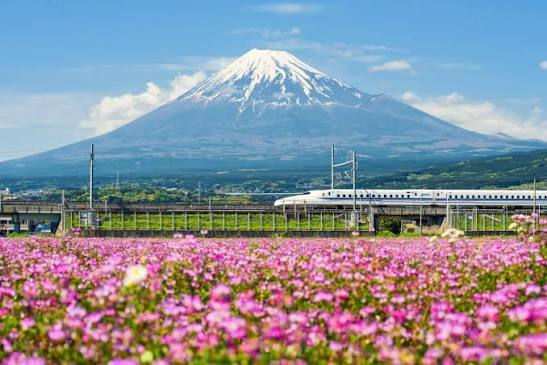
Here are some of the many scenes of the Japanese countryside, on the way from Osaka to Hiroshima:
Our guide, for the day, named Eria (Ehr-ree-ah), was involved with the efforts to operate the museum, and so she was very well versed with the history of the bombing by America; clearly, she was a strong opponent against the use of any type of nuclear weapon. The entire tour of the area took over two hours, beginning at the point over which the bomb detonated, called the “Hypocenter” of the Atomic Bomb Dome, then walking through the Hiroshima Peace Memorial Park, and finally the Peace Museum. Here are some pictures of the monuments in this area as well as some of the exhibits in museum. [WARNING: Some of these pictures show the horrific effects of the bomb blast and its aftermath in great detail. Probably should not be seen by young children.]
Row 1: Eria, temple in Hiroshima, Doug & Patrise in front of temple
Row 2: Plaque and descriptions of the hypocenter of the atomic bomb blast
Row 3: Plaques commemorating the Buddhist Bodhisattva Jizo, protector of children
Row 4: Jizo monument, Jizo plaque, Atomic Blast Dome (Genbaku Dome)
Row 5; Dome, dome building and plaque, man in pink shirt is a survivor of the blast. He was an infant when it occurred; only he and his mother survived the blast. She just died last year at the age of 106. He comes to the Peace Park everyday, to tell his story of how his family, frineds, and neighbors were killed by the blast.
Row 6: Bridge over Honkawa River, river, map of area
Row 7: High school across river from hypocenter, elementary school kids on field trip, Peace Clock that chimes at 8:15am every day, at the time of the atomic blast on August 6, 1945
Row 1: The Peace Bell, Patrise and Eria, the Peace Mound (contains the ashes of 70,000 unidentified dead killed by the blast.
Row 2: Plaques and monument to the Koreans killed by the blast. (Korea had been a Japanese colony for many years at the time of the war. So there were Koreans in Japan in roles of forced labor. There were also many other nationalities at the time, including American POWs.
Row 3: Eria and Patrise, the Children's Peace Memorial, artwork seen in the Children's Peace Memorial
Row 4: Images of the Peace Flame (which was started in 1964, intended to burn until the last nuclear weapon no longer exists)

(All rows: I will let the photos speak for themselves, without further description.)
The entire experience was very moving for both of us. Over 300,000 lives were impacted that day, in ways that the creators of the bomb never envisioned. Numerous thousands of human beings were vaporized by the extreme heat after the explosion. Temperatures reached in excess of 3,000 degrees Celsius. The temperatures melted structures close to the center of the detonation, and the intense wind simply leveled several city blocks. I hope that you have seen some of the documentaries about this event from the perspective of both the actual events and scientific development of the bomb, to the stories that have been taped from the survivors, the majority of which were children at the time that the bomb was dropped. Regardless of your take on the necessity of the bombing, it is clear to us that no more nuclear bombs should ever be dropped on human beings. The motto of the museum supporters is “No more Hiroshima”.
After we toured this site, we had lunch at a very lovely Italian restaurant, Ristorante Mario, across the street from the Memorial Park. The spaghetti was expertly prepared, and the flavor of the local fresh cherry tomatoes was outstanding. I had clams with my spaghetti (spaghetti vongole), and Patrise had roasted tomatoes and garlic with hers. She tried their Tiramisu for dessert and gave it a passing grade by consuming all of it.
After lunch, our driver took us to Miyajima Island, to see the floating torii gate of Itsukushima Shrine. We were able to get there without a 17-minute walk by our driver taking us through back roads to the side of the town closest to the shrine. Patrise was tired and not wanting to walk long distances, so this creative route was a God send. Here are several photos that we took of the lovely scenery in this area near the water. It was truly a beautiful site.

We returned via a train ride to Osaka. Patrise and I played cards on the return journey.
We enjoyed a marvelous teppanyaki dinner at an upscaled Japanese restaurant in our hotel. We had tenderloin beef, mushrooms, eggplant and sweet potatoes cooked on the grill. The meal was closed out with a lovely presentation of cheesecake with flaming poached pears, fresh honey dew melon and two sauces. It was scrumptious!
After dinner, we went to our hotel room and crashed! Tomorrow, we leave for South Korea.

Comments